Managed to save up enough credit card rewards to cover the purchase of a SteamDeck OLED in April of 2024. It completely changed my ability to play games. Rather than being tied to one spot in the house, I could play anywhere. The other great thing is the ability to just pause the game and turn the screen off and I can quickly pick it up and put it down. It’s made gaming sessions much more ad hoc and enjoyable.
Below are my top few games that I played in 2024. all of these were primarily played in the SteamDeck.
Great characters, visuals, soundtrack, story and game play. Definitely my personal game of the year. I have nothing negative to say about it. The soundtrack was so good I picked up a copy of it on vinyl.
This game is a little older. I came across it because of the trailer for Alabaster Dawn. CrossCode is by the same studio and I wanted to see if they had any other games I could check out while waiting for the release of Alabaster Dawn. This had some of the best and most unique puzzles of any game I’ve played. They continued to add new mechanics all the way through the end of the game.
This one was a little bit more of a traditional RPG but had some unique combat elements that helped to keep it fresh throughout the game. The story, characters and design were also really well done.
Honorable Mentions
Balatro A really unique game that I have really enjoyed both on the SteamDeck and the mobile version. I’m honestly a little surprised it didn’t win more awards last year.
Deep Rock Galactic: Survivors I just really enjoyed this one. Fun to just pick it up and play a round. Lots of unique weapons and builds that kept it feeling fresh each time I played.
The more I publish the better I’m getting at understanding how formatting works across different distribution channels. Micro.blog handles it all well but different Bluesky and Mastodon clients handle titles and images differently. Seems like if I want things to display well downstream the best way to handle it is to not set a title and just include a markdown title in the body.
For reading and following content online I’ve been a big user of RSS for about 15 years and have refined a solid OPML file that has carried over from app to app. This is one of the great things about a simple and well supported open standard. I can pick up and move whenever I want. Or whenever an application I’m using no longer fits my needs (or shuts down).
After Google killed off Google Reader I moved to Feedly for a while. Feedly is great but it got a little cluttered and started to push other, “related” content on me which I don’t really like. I’ve found with online sources the best way to discover new content is to look at recommendations from people I already follow and whose opinion I trust. Not an algorithm. Blogrolls are a great way to find new sources to follow.
I bounced around to a lot of different apps that were mainly mobile (Android for me) only. None of the ones I used ever really hooked me into staying and with the ease of exporting an OPML file it was easy to bounce around. Eventually I settled on an open source app called [Feeder](https://github.com/spacecowboy/Feeder). It’s a great application and you can get it from the Play Store, F-Droid or their Github. With the rise of newsletters in popularity and starting to subscribe to those, I found that I wanted to get those out of my email apps and into a better reading experience. Unfortunately Feeder had no way to support that.
After some searching around I found Omnivore. It was open source, free, cross-platform and provided every account with an email you could use to send content to. So I was able to set up a forwarding rule in my mail account to forward newsletters to Omnivore and they would show up in my list of articles with a newsletter tag.
In November of 2024 Omnivore shut down. It is possible to use the open sourced code to run your own server but their containerization was still a work in progress and I wasn’t able to get it running on my homelab server after a few nights of trying.
So I was back on the hunt for something that could handle RSS and newsletters. I tried 3 different services. [Inoreader](https://www.inoreader.com/), [Newsblur](https://newsblur.com/) and [Readwise Reader](https://readwise.io/read). On the bright side, each of these services are cross-platform and have a lot more features and nice-to-haves than simple RSS readers. On the negative side, they are all paid services.
Inoreader’s UI/UX was never really comfortable for me so I dropped that after the free trial period.
Newsblur has a really good flow for just RSS and consuming articles that way. The big problem I had with it is the “Saved Stories” functionality. As I check feed updates throughout the day some of the articles I just need to read the headline, some are short and I can get through them in a few minutes and others need to be saved for later due to length. It’s a much better experience to send these longer stories to a “read it later” service like Pocket or Instapaper. But then I need another service and another subscription.
Readwise Reader has the concept of a Feed and the concept of a Library. The feed is standar RSS type feed style and the library is like a read it later service. While I’m processing my feed articles it is easy to send the longer ones to the library. As you read articles they track reading location down to the paragraph which is great across devices. They have built in text to voice which is nice for listening to articles while doing other activities. They also have great highlighting and notes functionality. Which makes sense given the fact that Readwise is all about saving your highlights. They work largely like the Bookmarks functionality of micro.blog. All of you highlights for articles are also imported into Readwise so you can review and process them using Readwise tool set. One great feature of the mobile application is it’s support for e-ink devices. It allows me to read on my Boox device with ease.
After the 30 day free trial of Readwise Reader I decided to pay for a year and see how I it goes. If I find I’m not using it or switch to another service, I’ll cancel. They have the ability to create public links to highlights and notes for an article so I’d like to see what that would look like used here on micro.blog. I doubt anything will come close to being as convenient as the built in Bookmarks of micro.blog. There might be an opportunity for a micro.blog plugin that takes that link and converts the highlights and notes into the beginnings of a post.
So anyway, that’s a summary of my journey to find an RSS reader.
Managed to save up enough credit card rewards to cover the purchase of a SteamDeck OLED in April of 2024. It completely changed my ability to play games. Rather than being tied to one spot in the house, I could play anywhere. The other great thing is the ability to just pause the game and turn the screen off and I can quickly pick it up and put it down. It’s made gaming sessions much more ad hoc and enjoyable.
Below are my top few games that I played in 2024. all of these were primarily played in the SteamDeck.
##
Sea of Stars > Great characters, visuals, soundtrack, story and game play. Definitely my personal game of the year. I have nothing negative to say about it. The soundtrack was so good I picked up a copy of it on vinyl.
##
CrossCode > This game is a little older. I came across it because of the trailer for Alabaster Dawn. CrossCode is by the same studio and I wanted to see if they had any other games I could check out while waiting for the release of Alabaster Dawn. This had some of the best and most unique puzzles of any game I’ve played. They continued to add new mechanics all the way through the end of the game.
##
Chained Echoes > This one was a little bit more of a traditional RPG but had some unique combat elements that helped to keep it fresh throughout the game. The story, characters and design were also really well done.
Balatro A really unique game that I have really enjoyed both on the SteamDeck and the mobile version. I’m honestly a little surprised it didn’t win more awards last year.
Deep Rock Galactic: Survivors I just really enjoyed this one. Fun to just pick it up and play a round. Lots of unique weapons and builds that kept it feeling fresh each time I played.
The more I publish the better I’m getting at understanding how formatting works across different distribution channels. Micro.blog handles it all well but different Bluesky and Mastodon clients handle titles and images differently. Seems like if I want things to display well downstream the best way to handle it is to not set a title and just include a markdown title in the body.
For reading and following content online I’ve been a big user of RSS for about 15 years and have refined a solid OPML file that has carried over from app to app. This is one of the great things about a simple and well supported open standard. I can pick up and move whenever I want. Or whenever an application I’m using no longer fits my needs (or shuts down).
After Google killed off Google Reader I moved to Feedly for a while. Feedly is great but it got a little cluttered and started to push other, “related” content on me which I don’t really like. I’ve found with online sources the best way to discover new content is to look at recommendations from people I already follow and whose opinion I trust. Not an algorithm. Blogrolls are a great way to find new sources to follow.
I bounced around to a lot of different apps that were mainly mobile (Android for me) only. None of the ones I used ever really hooked me into staying and with the ease of exporting an OPML file it was easy to bounce around. Eventually I settled on an open source app called [Feeder](https://github.com/spacecowboy/Feeder). It’s a great application and you can get it from the Play Store, F-Droid or their Github. With the rise of newsletters in popularity and starting to subscribe to those, I found that I wanted to get those out of my email apps and into a better reading experience. Unfortunately Feeder had no way to support that.
After some searching around I found Omnivore. It was open source, free, cross-platform and provided every account with an email you could use to send content to. So I was able to set up a forwarding rule in my mail account to forward newsletters to Omnivore and they would show up in my list of articles with a newsletter tag.
In November of 2024 Omnivore shut down. It is possible to use the open sourced code to run your own server but their containerization was still a work in progress and I wasn’t able to get it running on my homelab server after a few nights of trying.
So I was back on the hunt for something that could handle RSS and newsletters. I tried 3 different services. [Inoreader](https://www.inoreader.com/), [Newsblur](https://newsblur.com/) and [Readwise Reader](https://readwise.io/read). On the bright side, each of these services are cross-platform and have a lot more features and nice-to-haves than simple RSS readers. On the negative side, they are all paid services.
Inoreader’s UI/UX was never really comfortable for me so I dropped that after the free trial period.
Newsblur has a really good flow for just RSS and consuming articles that way. The big problem I had with it is the “Saved Stories” functionality. As I check feed updates throughout the day some of the articles I just need to read the headline, some are short and I can get through them in a few minutes and others need to be saved for later due to length. It’s a much better experience to send these longer stories to a “read it later” service like Pocket or Instapaper. But then I need another service and another subscription.
Readwise Reader has the concept of a Feed and the concept of a Library. The feed is standar RSS type feed style and the library is like a read it later service. While I’m processing my feed articles it is easy to send the longer ones to the library. As you read articles they track reading location down to the paragraph which is great across devices. They have built in text to voice which is nice for listening to articles while doing other activities. They also have great highlighting and notes functionality. Which makes sense given the fact that Readwise is all about saving your highlights. They work largely like the Bookmarks functionality of micro.blog. All of you highlights for articles are also imported into Readwise so you can review and process them using Readwise tool set. One great feature of the mobile application is it’s support for e-ink devices. It allows me to read on my Boox device with ease.
After the 30 day free trial of Readwise Reader I decided to pay for a year and see how I it goes. If I find I’m not using it or switch to another service, I’ll cancel. They have the ability to create public links to highlights and notes for an article so I’d like to see what that would look like used here on micro.blog. I doubt anything will come close to being as convenient as the built in Bookmarks of micro.blog. There might be an opportunity for a micro.blog plugin that takes that link and converts the highlights and notes into the beginnings of a post.
So anyway, that’s a summary of my journey to find an RSS reader.
Need Brighton to step it up in the second half here to keep Arsenal behind Liverpool.
Need Brighton to step it up in the second half here to keep Arsenal behind Liverpool.
Got my Mastodon and Bluesky accounts set up for cross-posting last night and it looks like everything is working.
Micro.blog made it pretty straightforward to configure. I’ve never been really active on social media and have mostly just used it to consume and discover content. It will be a new experience to be generating content rather than just consuming.
Got my Mastodon and Bluesky accounts set up for cross-posting last night and it looks like everything is working.
Micro.blog made it pretty straightforward to configure. I’ve never been really active on social media and have mostly just used it to consume and discover content. It will be a new experience to be generating content rather than just consuming.
Ran across a recommendation for Hardcover for book tracking. So I’ve signed up for an account. I’ll give it a try alongside Storygraph. We’ll see how it goes after a few books.
Initial impressions are that the feature set seems largely the same between the two of them. The main difference I’ve seen so far is just the UI.
Ran across a recommendation for Hardcover for book tracking. So I’ve signed up for an account. I’ll give it a try alongside Storygraph. We’ll see how it goes after a few books.
Initial impressions are that the feature set seems largely the same between the two of them. The main difference I’ve seen so far is just the UI.
Ran across a recommendation for Hardcover for book tracking. So I’ve signed up for an account. I’ll give it a try alongside Storygraph. We’ll see how it goes after a few books.
Initial impressions are that the feature set seems largely the same between the two of them. The main difference I’ve seen so far is just the UI.
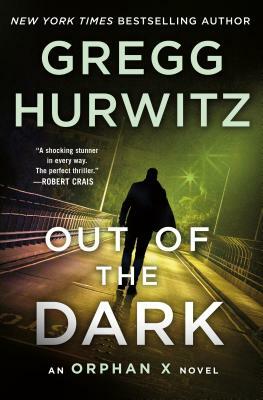
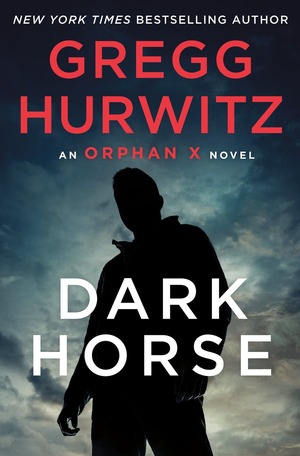
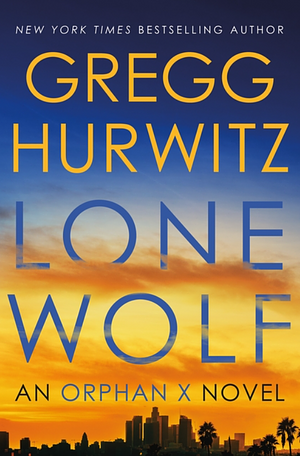
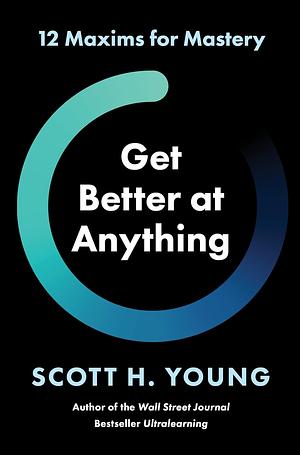
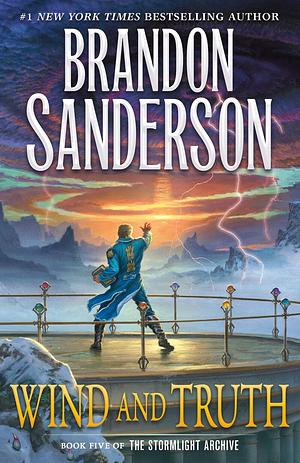
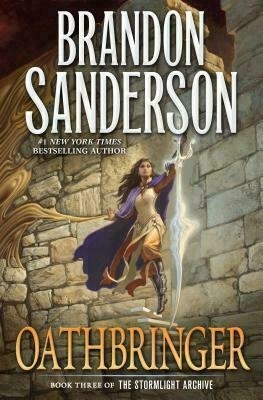
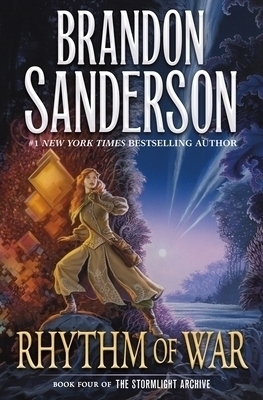
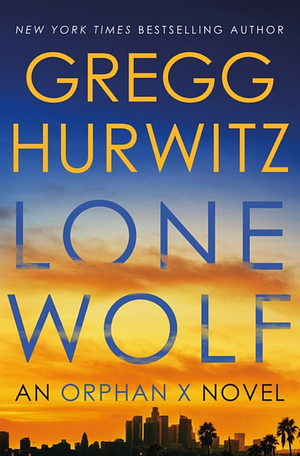
Starting the new year with a reread. I read the first 3 in his series and want to refresh the story before going on to finish the series.
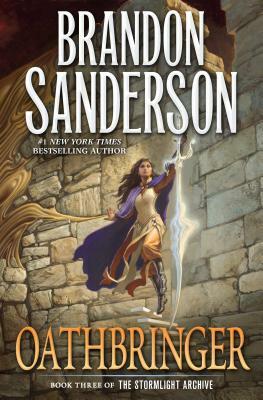
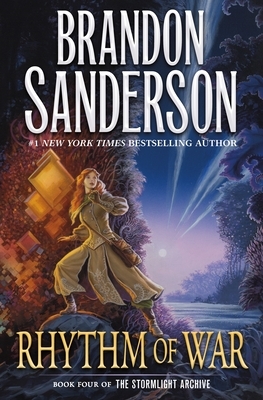
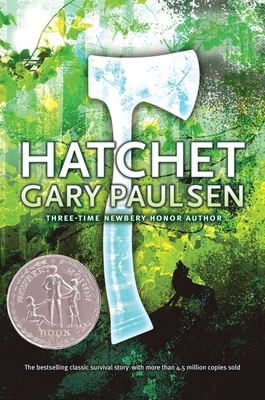
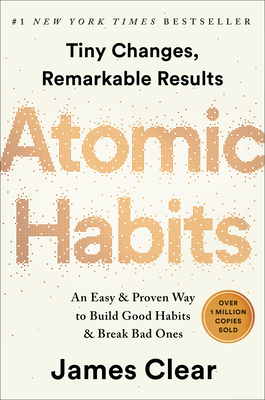
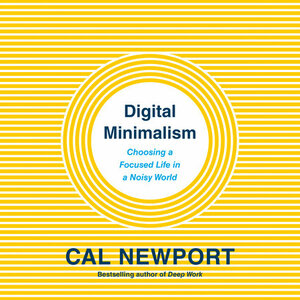
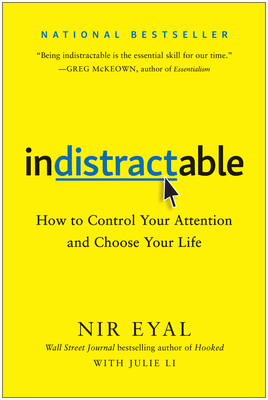
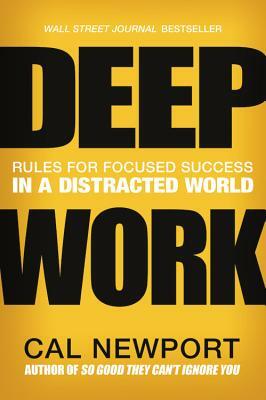
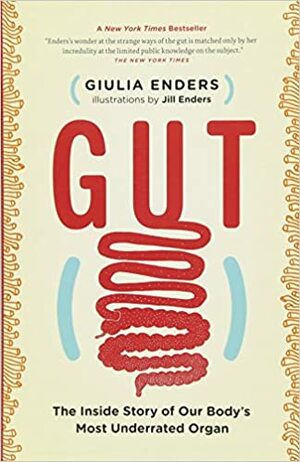
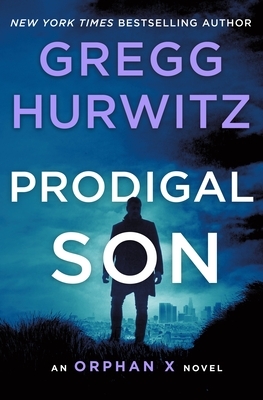
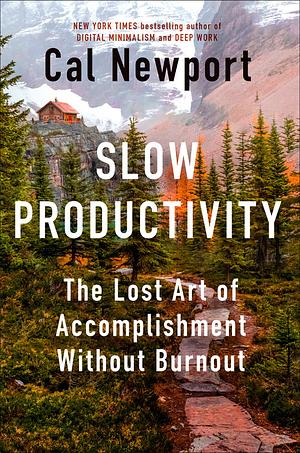
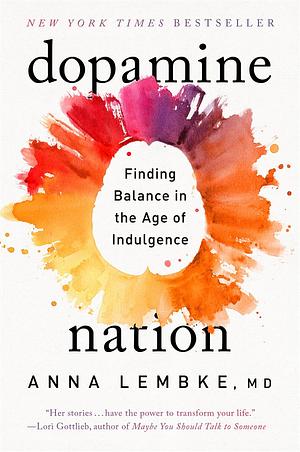
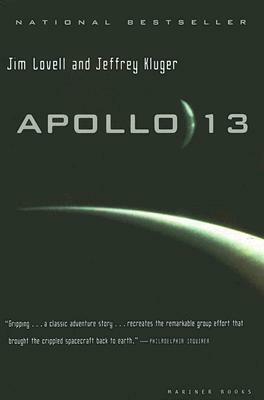
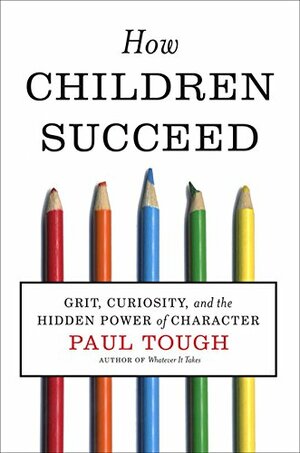
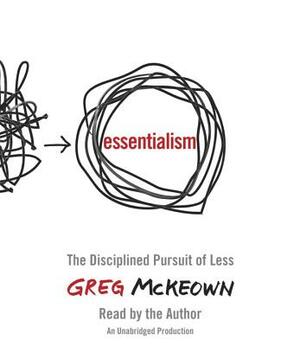
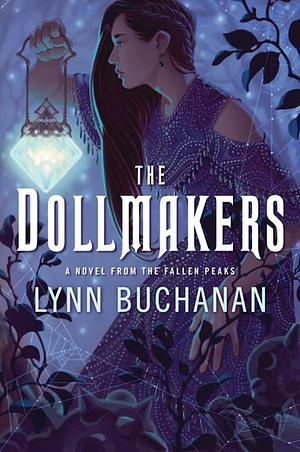
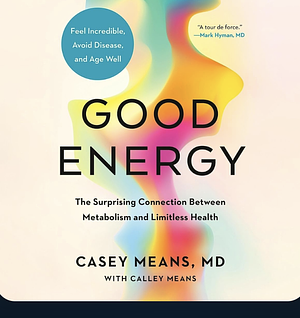
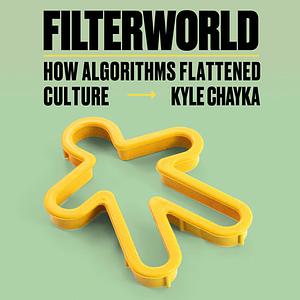
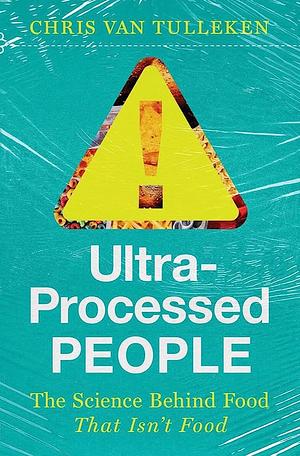
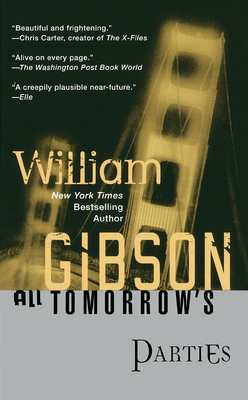
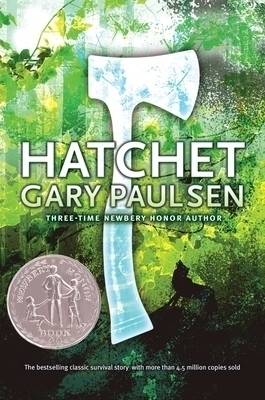
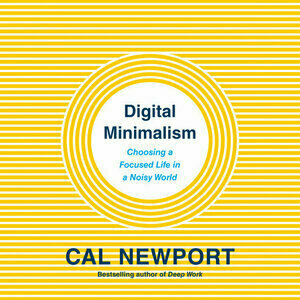
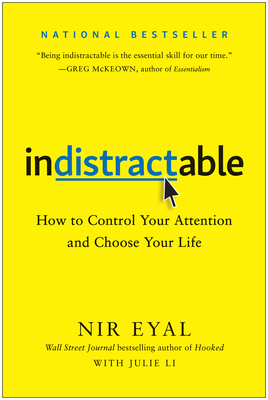
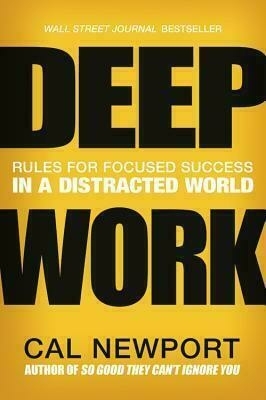
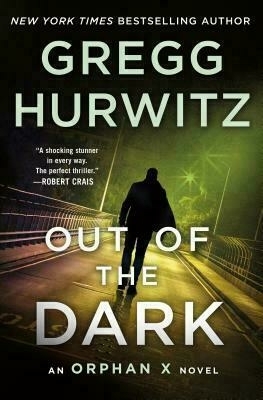
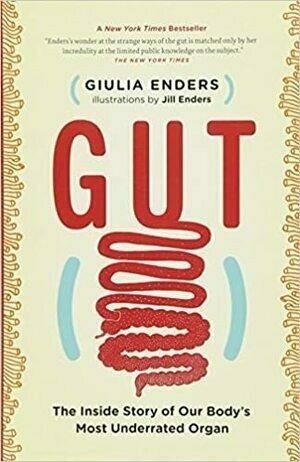
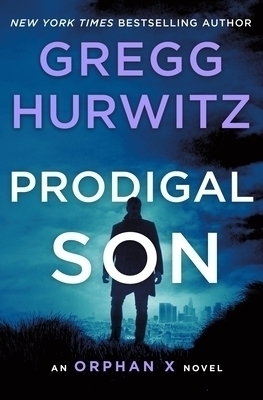
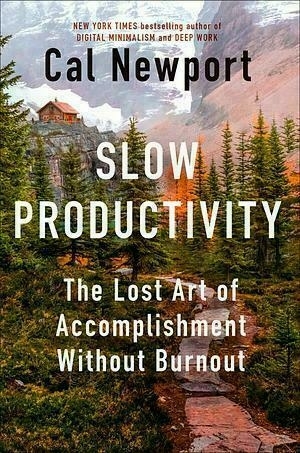
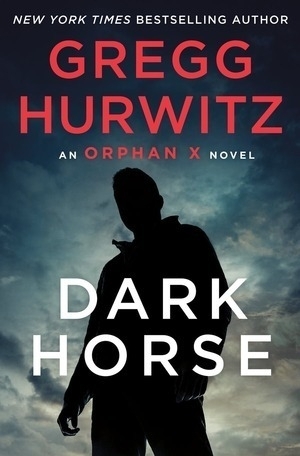
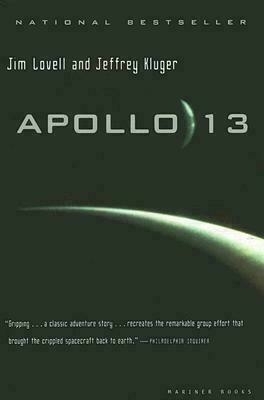
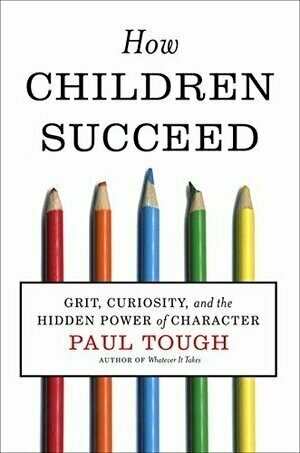
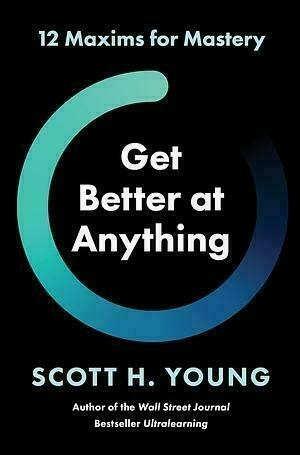
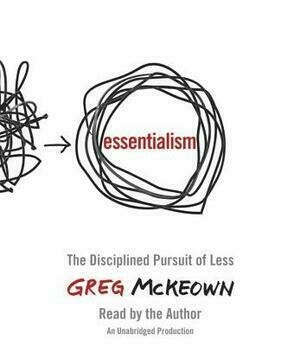
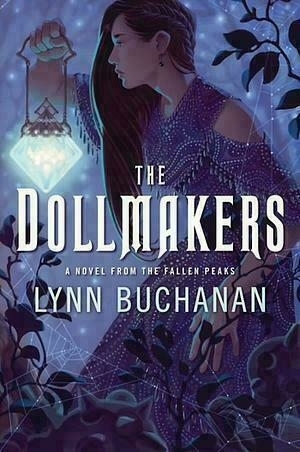
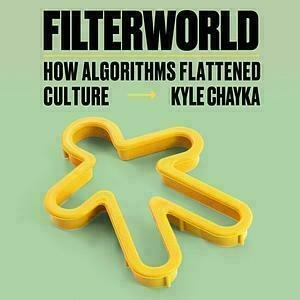
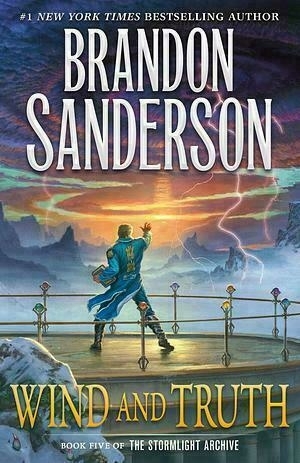
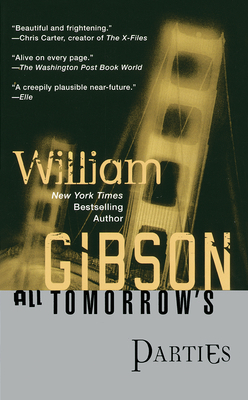
I was able to get through quite a few books last year (by my standards). Below is a list of all the books I was able to finish in the order they were read.
I tried to focus on including non-fiction books for the second year in a row and was able to do much better this year. Up to 50/50 fiction/non-fiction. Looking forward to continuing this trend in 2025. I have thought about picking a theme for the non-fiction books but not sure I would be able to stay interested if the focus is too narrow.
32 books and 12,925 pages. Thanks to StoryGraph for helping me keep track and for the yearly wrap up!
📚
For my first post here I think I’ll talk a bit about the motivation behind this blog and they types of content it will likely contain.
The main motivating force behind this has been Dave Winer’s blog (and the thought’s therein). I started following his blog a year or so ago and really liked the style of simply posting comments throughout the day about various topics or thoughts on current events or what he was working on. I also like the idea of textcasting and connecting the web with RSS.
I’ve been a big user of RSS since the Google Reader (RIP) days. But I primarily followed commercial websites rather than blogs run by individuals. With many of the sites I used to follow either shutting down or getting eaten up by private equity, I had largely stopped following anything.
I started following some newsletters over the last year and quickly realized that reading in an email app is not great so I started converting any that were not paid over to RSS. That started to get me back into the RSS game and back to Dave’s site which has an excellent blogroll that helped me begin to fill up my RSS list again. I had never been a Twitter user but decided to check out Mastodon when Musk bought twitter. That led me into the wider Fediverse and indie web where I found even more personal blogs to follow.
Seeing how different people share the things in their life that interest them or that they are working on or that they are working through was a nice way to connect with others and has made the internet feel more social for me. It’s also started to get me thinking about doing the same. This type of writing seems like it has the potential to be therapeutic in the same way journaling can be. It’s a way to force you to think through a topic and if you’re lucky you may get some valuable feedback from anyone who reads it or you may help them with something they are thinking about.
My background is in software development. My main hobbies (outside of raising 2 children) are reading, photography and enjoying the outdoors. So these are likely the topics I will mostly be writing about here.
Hopefully I’ll stick with this and over time come up with a good cadence of publishing and find a good voice as I’ve not really written anything outside of technical documentation for work since college.
I was able to get through quite a few books last year (by my standards). Below is a list of all the books I was able to finish in the order they were read.
I tried to focus on including non-fiction books for the second year in a row and was able to do much better this year. Up to 50/50 fiction/non-fiction. Looking forward to continuing this trend in 2025. I have thought about picking a theme for the non-fiction books but not sure I would be able to stay interested if the focus is too narrow.
32 books and 12,925 pages. Thanks to StoryGraph for helping me keep track and for the yearly wrap up!
📚
For my first post here I think I’ll talk a bit about the motivation behind this blog and they types of content it will likely contain.
The main motivating force behind this has been Dave Winer’s blog (and the thought’s therein). I started following his blog a year or so ago and really liked the style of simply posting comments throughout the day about various topics or thoughts on current events or what he was working on. I also like the idea of textcasting and connecting the web with RSS.
I’ve been a big user of RSS since the Google Reader (RIP) days. But I primarily followed commercial websites rather than blogs run by individuals. With many of the sites I used to follow either shutting down or getting eaten up by private equity, I had largely stopped following anything.
I started following some newsletters over the last year and quickly realized that reading in an email app is not great so I started converting any that were not paid over to RSS. That started to get me back into the RSS game and back to Dave’s site which has an excellent blogroll that helped me begin to fill up my RSS list again. I had never been a Twitter user but decided to check out Mastodon when Musk bought twitter. That led me into the wider Fediverse and indie web where I found even more personal blogs to follow.
Seeing how different people share the things in their life that interest them or that they are working on or that they are working through was a nice way to connect with others and has made the internet feel more social for me. It’s also started to get me thinking about doing the same. This type of writing seems like it has the potential to be therapeutic in the same way journaling can be. It’s a way to force you to think through a topic and if you’re lucky you may get some valuable feedback from anyone who reads it or you may help them with something they are thinking about.
My background is in software development. My main hobbies (outside of raising 2 children) are reading, photography and enjoying the outdoors. So these are likely the topics I will mostly be writing about here.
Hopefully I’ll stick with this and over time come up with a good cadence of publishing and find a good voice as I’ve not really written anything outside of technical documentation for work since college.